BREAST RECONSTRUCTION
Breast reconstruction is a reconstructive surgical procedure for the rebuilding of a breast, usually in women. It involves using patient’s own (autologous) tissue or prosthetic material to construct a natural-looking breast.
Breast reconstruction
Breast reconstruction is a reconstructive surgical procedure for the rebuilding of a breast, usually in women. It involves using patient’s own (autologous) tissue or prosthetic material to construct a natural-looking breast.
The goal of breast reconstruction surgery is to restore breasts to near normal shape, appearance, symmetry and size following mastectomy, lumpectomy or congenital deformities.
When is breast reconstruction surgery done
Breast reconstruction surgery may be done after removal of a whole breast (mastectomy recovery) or part of the breast (breast-conserving reconstructive surgery). It often involves multiple procedures performed in stages and can either begin at the time of mastectomy or be delayed until a later date. In addition, a breast lift, breast reduction or breast augmentation may be recommended for the opposite breast to improve symmetry of the size, shape and position of both breasts.
You can have breast reconstruction at the same time as breast cancer surgery (immediate reconstruction) or months or years later (delayed reconstruction). There are a number of factors that should be taken into consideration when choosing which option is best: type of mastectomy surgery (whether or not the skin of the breast can be preserved), following cancer treatments (radiation therapy should postpone the reconstruction due to higher complication rates), significant medical comorbidities (high blood pressure, obesity, diabetes, smoking), patient's body type etc. Your doctor will explain which one is likely to suit you best.
What you should know about mastectomy recovery procedures
Some women are advised not to have a breast reconstruction procedure because of other existing medical conditions that might increase the risk of complications following surgery. For example, radiotherapy following mastectomy can increase the risk of hard scar tissue forming around an implant or even your own tissue (this is known as capsular contracture). That is why you may be advised to delay reconstruction for up to 12 months.
You should also know that a reconstructed breast will probably not look the same as the breast you have lost (it will be a slightly different size and shape). Also, you won’t get the same feeling as before from a reconstructed breast and you may have no sensation at all.
A good candidate for breast reconstruction should:
- Be able to cope well with diagnosis and treatment of the primary disease
- Not have additional medical conditions that may impair the healing process
- Have a positive outlook and realistic goals for restoring body image
Breast reconstruction options
Breast reconstruction surgery generally falls into two basic categories: implant-based reconstruction or flap reconstruction. Implant reconstruction relies on breast implants to help form a new breast mound while flap (autologous) reconstruction uses the patient's own tissue from another part of the body (the back, abdomen or buttocks) to form a new breast. Autologous reconstruction also may include an implant.
Both main techniques for reconstructing your breast have their own pros and cons. Reconstruction using implants is easier on the front end: the surgical procedure is easier to perform and easier to recover from. Flaps are more difficult to perform, the procedure is more time-consuming, and a recovery takes more time, too. On the back end, however, there is a different story. Over time, implants are more prone to problems and often require additional procedures to correct these problems, while flaps perform better over time – actually, a flap done well should not need more attention over the course of a lifetime.

Preparation for the procedure, including getting anesthesia, may take two hours. Once it begins, the reconstruction will take anywhere from one to six hours.
After breast reconstruction is complete you may want to consider nipple reconstruction, too (usually the nipple is removed during mastectomy). Nipple reconstruction is typically an outpatient procedure done with local anesthesia. Surgeons can make a nipple using tissue taken from the back or abdominal flap. It’s then tattooed to resemble the natural color of a nipple.
Recovery and expectations after reconstructive surgery
After the breast reconstruction surgery, gauze or bandages may be applied to incisions (an elastic bandage or support bra will minimize swelling and support the reconstructed breast). A small drainage tube may be temporarily placed under the skin. The healing process will go on for several weeks, the swelling will gradually decrease and breast will improve its shape and position. Continue to follow your plastic surgeon’s instructions and attend follow-up visits as scheduled. During the course of time, some breast skin sensation may return, and scar lines will improve, although they will never disappear completely.
The final results of breast reconstruction can help lessen the physical and emotional impact of mastectomy. Besides, careful monitoring of breast health through self-exam and other diagnostic techniques is essential to your long-term health.
Breast reconstruction cost (price)
Cost for breast reconstruction surgery may vary based on surgeon’s experience as well as geographic location. Breast reconstruction costs may include surgeon's fee, hospital or surgical facility costs, anesthesia fees, prescriptions for medication, post-surgery garments and medical tests and imaging.
Plastic surgeon prof. Dr Milan Jovanovic
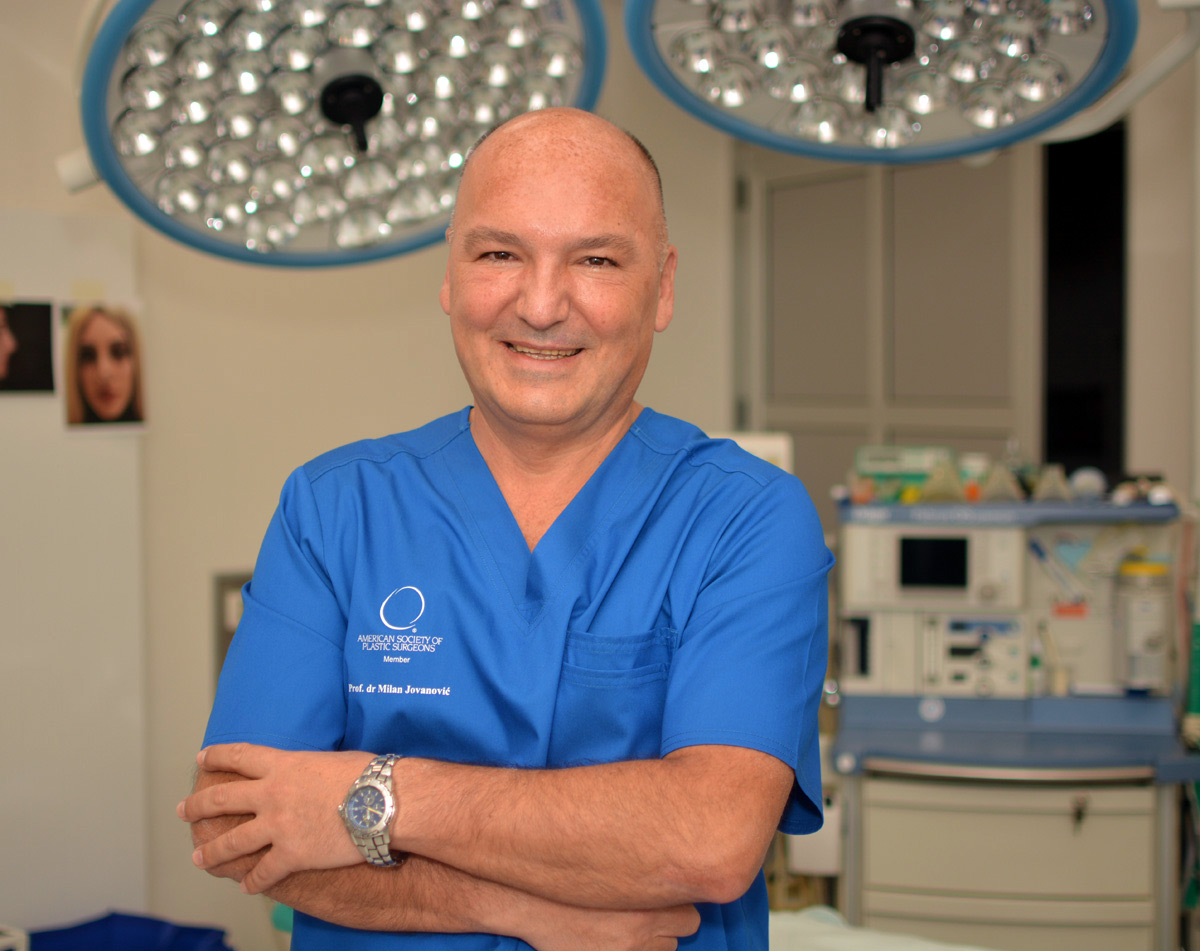
Prof. Dr Milan Jovanovic is a specialist in plastic reconstructive and aesthetic surgery. As a surgeon with 27 years of surgical experience, Dr Jovanovic is one of the best experts in anti-ageing, plastic, reconstructive and aesthetic surgery in the region.
He is a professor at the Faculty of Medicine, University of Belgrade, where he teaches general education to students of the fifth year, as well as at the postgraduate education for doctors who specialize in the field of plastic, reconstructive and aesthetic surgery. He is the Head of the Department of Plastic, Reconstructive and Aesthetic Surgery at the Faculty of Medicine, University of Belgrade.
Others About Us

Prof. Dr. Jovanovic and his team made me feel welcome and at ease. I had liposuction of fat and glandular tissue to correct gynecomastia, and I also had a few moles removed - all under local anesthesia. It was not the most pleasant experience (just mildly uncomfortable - I suggest taking an oral sedative beforehand). Most importantly, however, the results are outstanding. I am very happy that I found Prof. Dr. Jovanovic, and I am happy to give him my highest recommendation. Thanks Prof. Dr. Jovanovic
Michael, USA
MI OPINION SOBRE LA ATENCION HOSPITALIARIA Y POR LA ATENCION PROFECIONAL. MI OPINION SOBRE LA ATENCION DEL CIRUJANO ES EXCELENTE Y NO TENGO PALABRAS PARA A GRADECERLE LA FORMA QUE ME A ATENDIDO,ES UNA PERSONA HUMILDE,ATENTO, Y MUY PROFECIONAL CON TU TRABAJO,. QUE ESTA LAS 24 HORAS PENDIENTE DE SU PACIENTE.,SI TENGO QUE RECOMENDAR LO HARIA SIN DUDARLO . SOBRE EL SERVICIO HOSPITALARIO COMO LOS ENFERMEROS, PERSONAL DE LIMPIEZA, RECEPCIONISTA TAMBIEN EXCELENTE ... LO UNICO SI ES DE MODIFICAR ALGUNA INSTALACIONES DEL HOSPITAL, COMO LAS ESCALERAS DEL SECTOR DE CIRUGIAS, Y EL MANTENIMIENTO EN GENERAL DEL HOSPITAL. APROVECHO PARA MANDAR UN SALUDO CORDIAL. AL DOCTOR JOVANOVIC . ATENTAMENTE.
Josefina Segovia Gonzalez de España, Spain, Madrid
Dr. Hirurg preformed a tummy tuck on me June 11,2015. I have come from the United States on the recommendation of a friend to Dr. Hirurg. His competency is above 100%. I received complete and accurate information. Everything was done in a timely manner. I found him compassionate and concerned for me and my recovery from my first consultation through my full recovery. In the States a tummy tuck is an sameday surgery. You have surgery and go home after the recovery room. Dr. Hirurg plan is a 3 day stay in his clinic where the surgery is done and after the recovery room I stayed in a hospital room for three days with my knees up and two j.p.tube for drains. I was place in front of the nursing station, which made me feel very safe. I have been a smoker for 10 years. After recover I had a respiratory: distress episode. Dr. Hirurg was called. I had the anesthologist and ICU nurse at the bedside until it was successfully resolved. When I left the clinic I had no tubes. In the states I would have gone home with the tubes. I had dressing changes by my doctor 3times a week until all my stitches were all out. I would recommend Dr. Hirurg with a 10 of 10 recommendation. Thank you Dr. Hirurg
Laurene Faulkner, USAHospital for plastic and aesthetic surgery
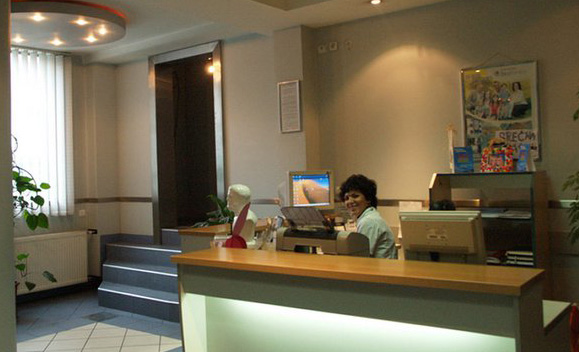
Health institution General Hospital – Medical System Belgrade – MSB is a system which combines all medical and dental specialties.
Exceptional and complete services in the fields of anti-ageing, plastic, reconstructive and aesthetic surgery are provided by the Center for Aesthetic Surgery MSB (Medical System Belgrade). Along with the necessary safety, quality, comfort and discretion, our main goal is – a satisfied patient.
Contact info
- Maglajska 30, Beograd
- 7:00 AM - 11:00 PM (Mon-Sun)
- +381 11 266 26 50
- +381 11 367 42 64
- +381 63 397 661
- plasticnihirurg@gmail.com
- www.plasticnaestetskahirurgija.com
- www.plasticcosmetic-surgery.net